
The Difference Between Shooting 65 and Winning 20 Tournaments
Posted by
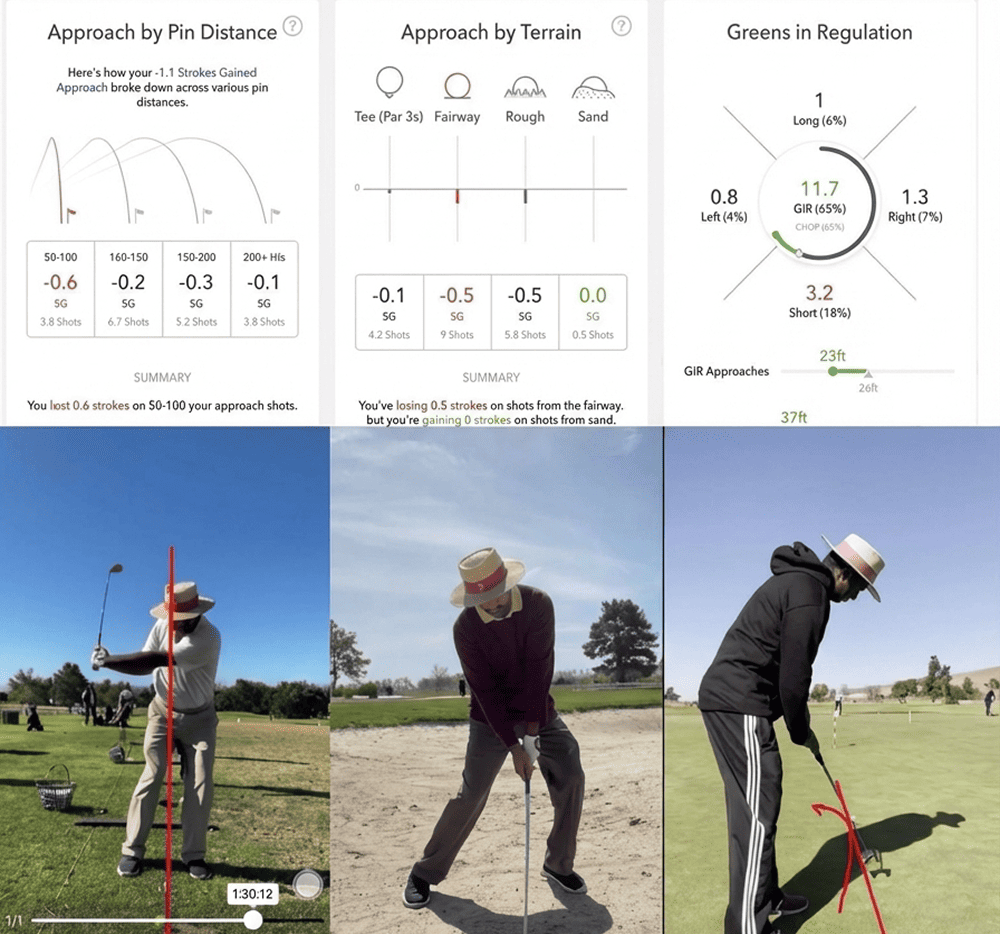
When Hassan started working with Coach John L Montgomery III in November 2022, he was already a strong player. A 2 handicap who had shot 65. From the outside, his game looked solid, but the results weren’t reliable. Some weeks everything clicked. Other weeks the swing drifted and the scores followed.
He didn’t want another random low round. He wanted a swing he could trust during tournament play.
So the real question became simple: what’s the difference between shooting 65 once and winning tournaments consistently?
One Great Round Doesn’t Mean Consistency
Before they began working together, Hassan’s 65 was the round everyone remembered. He opened with two bogeys, then made nine birdies on the way to a 65 — the kind of round golfers remember for years.
But rounds like that don’t always reflect a stable game. Many good players experience days where everything clicks. The swing feels effortless, putts drop, and the score takes care of itself. The problem is that those performances rarely repeat without a stronger foundation behind them.
Hassan wasn’t interested in chasing another special round. He wanted something he could rely on.
Talent Without Structure Leads to Inconsistency
Inconsistency rarely comes from one swing flaw. More often it appears when improvement lacks direction. Practice becomes random, progress slows, and results depend on whether the swing happens to cooperate that day.
Instead of searching for tips or quick fixes, they built a development plan around Hassan’s game. The goal wasn’t to reinvent his swing — it was to give him something repeatable under pressure.
The Shift That Made the Difference
The work began with strengthening the technical foundation of the full swing. The focus wasn’t on a quick change but on building a motion capable of holding up over time.
Practice also changed. Sessions became more intentional, with drills designed around competitive situations, mental routines, and clear checkpoints to evaluate progress. The process included:
- Strengthening the technical foundation of the full swing
- Structuring practice around performance rather than repetition
- Adding mental routines for tournament situations
- Creating a fast feedback loop to diagnose issues quickly
When the swing began to drift, adjustments could be identified quickly and corrected before they affected tournament play.
Turning One 65 Into 20 Wins
The first improvement showed up in ball striking. Misses became more predictable and the swing held together more often, which quickly translated into better tournament performances.
Since November 2022, Hassan has recorded:
- 20 tournament wins
- 12 wins in 2023 alone
After building a clear development plan around his swing and preparation, his game became reliable enough to win repeatedly. Talent can produce a low round, but a strong process is what allows results to show up consistently.
The Summary
- One great round does not guarantee consistency
- Talent can produce low scores, but structure produces wins
- A strong technical foundation holds up better under pressure
- Practice should prepare you for competition, not just the range
- Fast feedback from a coach prevents small issues from becoming big ones
Work With a Coach
If you have ever shot a round that showed what you are capable of, the potential is already there. The challenge is making that level of golf appear more often.
That usually requires more than practice. It requires direction, clear feedback, and a long-term plan that develops your game over time. The coaching approach behind this story focuses on strengthening swing fundamentals, structuring practice around performance, and identifying issues quickly when something begins to drift.
If you’re ready to stop relying on good days and start building a game you can count on, find a Skillest coach and get started today.